
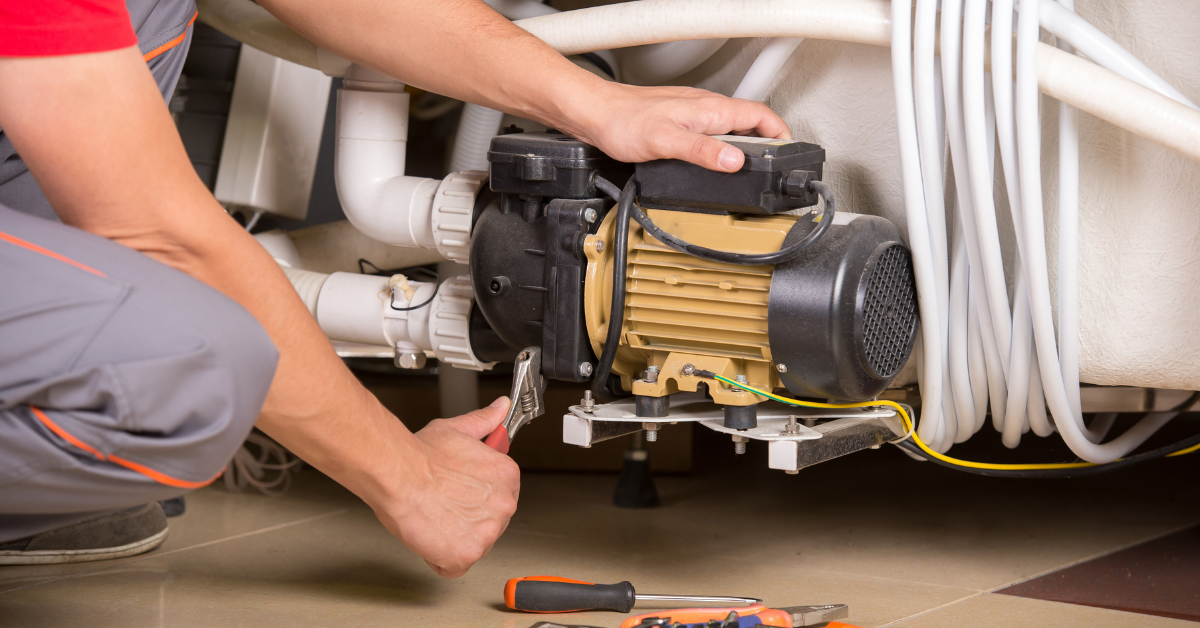
Ever wondered what is the most common job for a plumber? You might picture them crawling under sinks, wrestling with stubborn pipes, or showing up at 2 a.m. to save the day when a pipe bursts. And you wouldn’t be far off.
Plumbing work covers everything from installing new bathrooms to fixing water heaters. But there’s one type of job that plumbers get called for more than anything else, and it’s surprisingly common in homes, offices, and even restaurants. At PipeProof, we see it almost every day. Knowing what this job is (and how to spot the early signs) can save you money, prevent damage, and keep your home running smoothly.
According to the United States Environmental Protection Agency (EPA), 10% of households have leaks that waste at least 90 gallons of water every day. A faucet that drips once per second can waste almost 3,000 gallons of water each year, which is equal to taking more than 180 showers.
The Most Common Job for a Plumber: Fixing Leaks
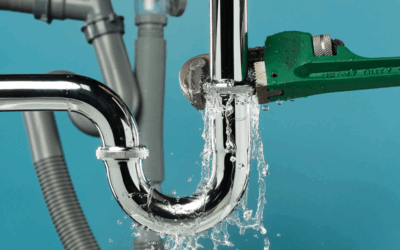
If you guessed fixing leaks, you’re right. Whether it’s a dripping tap that drives you crazy at night or a pipe leaking quietly behind a wall, leak repair is the number one reason people call plumbers. Leaks come in all shapes and sizes:
- Dripping faucets: The classic culprit. It’s the easiest to notice because you hear it. Drip… drip… drip. Not only is it annoying, but it’s like throwing spare change into the trash every second of the day.
- Leaky pipes under sinks: These often start because of loose joints or worn-out seals. You might see a little puddle under your cleaning supplies or notice that damp, musty smell.
- Hidden leaks: These are the tricky ones. They lurk inside walls, under floors, or in ceilings, silently causing water damage. Often, the first sign is a mysterious stain or bubbling paint.
- Toilet leaks: Sometimes water escapes into the bowl when it shouldn’t, or worse, onto the floor. Either way, you’re paying for water you’re not using.
Even the smallest leak can waste an incredible amount of water. A slow drip can lose over 3,000 gallons a year, enough to fill a small swimming pool. That’s money going down the drain.
Why Are Leaks So Common?
Think about how much your plumbing works every day. Every shower, every flush, every time you turn on a tap, your pipes, seals, and fixtures are under constant pressure. Over time, parts wear out, metal corrodes, and seals dry up.
It’s a bit like wearing your favorite sneakers every day. They might look fine for a while, but eventually, the soles wear thin, the stitching loosens, and you need a repair (or a replacement). Plumbing is no different, and leaks are often the first sign something’s wearing out.
The Trouble With “Just a Small Drip”
Many people ignore a small drip because it doesn’t seem like a big deal. But leaks have a bad habit of getting worse. That “tiny” leak can:
- Damage cabinets and flooring, especially if water is soaking into wood or laminate.
- Encourage mold growth, which can cause health issues and bad smells.
- Increase water bills; even small drips can add up over time.
Other Common Jobs Plumbers Handle
While fixing leaks is the most common call, plumbers handle plenty of other everyday problems too. Here are the big ones:
1. Clearing Clogged Drains
From slow-draining sinks to showers that turn into mini bathtubs, clogs happen when hair, grease, or food scraps block the pipes. Plumbers clear them fast and make sure there’s no hidden damage.
2. Toilet Repairs
Running toilets can waste gallons of water a day. Whether it’s a worn flapper, a faulty flush, or a leak at the base, plumbers get them working properly again.
3. Water Heater Fixes
No one likes a cold shower. Plumbers repair broken heating elements, replace old tanks, and install new systems so you always have hot water when you need it.
4. Installing New Fixtures
From kitchen faucets to luxury showerheads, plumbers make sure everything is fitted right the first time, avoiding leaks and costly mistakes later.
How to Spot a Leak Early
Catching a leak before it causes damage is the best way to save money. Look out for:
- Unexplained increases in your water bill.
- Damp or musty smells in rooms.
- Water stains on ceilings or walls.
- The sound of running water when the taps are off.
- Mold or mildew around sinks, tubs, or toilets.
A simple tip: Turn off all taps and water-using appliances. If your water meter is still moving, there’s likely a leak somewhere.
Conclusion
So, what is the most common job for a plumber? Hands down, it’s fixing leaks, the little ones that drip all night and the big ones that can flood your kitchen. The key is not to wait until a leak becomes a disaster. The sooner you call in help, the less it will cost you in the long run.
At PipeProof, we know how stressful plumbing issues can be. That’s why we work fast, fix it right, and make sure your home is safe from further water damage. If you’ve spotted a leak or even just suspect one, give us a call. It’s one of the smartest home maintenance moves you can make.

0 Comments