
When something goes wrong with the water in your home, the first call is usually to a plumber. But have you ever stopped to ask yourself what are the main duties of a plumber? Their work goes far beyond quick fixes. Plumbers are responsible for the systems that bring clean water in, take waste out, and keep everything flowing safely. Understanding their role can help you see just how important they are to your home and community.
According to the Bureau of Labour Statistics, in the United States, employment for plumbers (including pipefitters and steamfitters) is predicted to expand by 6% between 2023 and 2033, faster than many other jobs. Every year, over 43,300 new job positions are created in this industry.
Why Plumbers Matter
- They safeguard your health: By making sure your water is clean and safe, plumbers protect you and your family from unseen risks.
- They bring comfort to daily life: From a warm shower to a working kitchen sink, plumbers keep the simple things we rely on running smoothly.
- They protect your home: By preventing leaks and water damage, they save your walls, floors, and foundation from costly problems.
- They’re problem-solvers: Plumbers step in when things go wrong, finding quick, effective fixes so life can get back to normal.
- They’re essential for modern living: The conveniences we take for granted, running water, sanitation, and heating wouldn’t exist without their work.
Main Duties of a Plumber
Installing and Repairing Pipes
One of the biggest responsibilities of a plumber is working with the pipes that keep water moving in and out of a home or building. They put in new pipes during construction and step in when old ones need fixing or replacing. Without this, daily routines like cooking, cleaning, or showering simply wouldn’t be possible.
Fixing Leaks and Drips
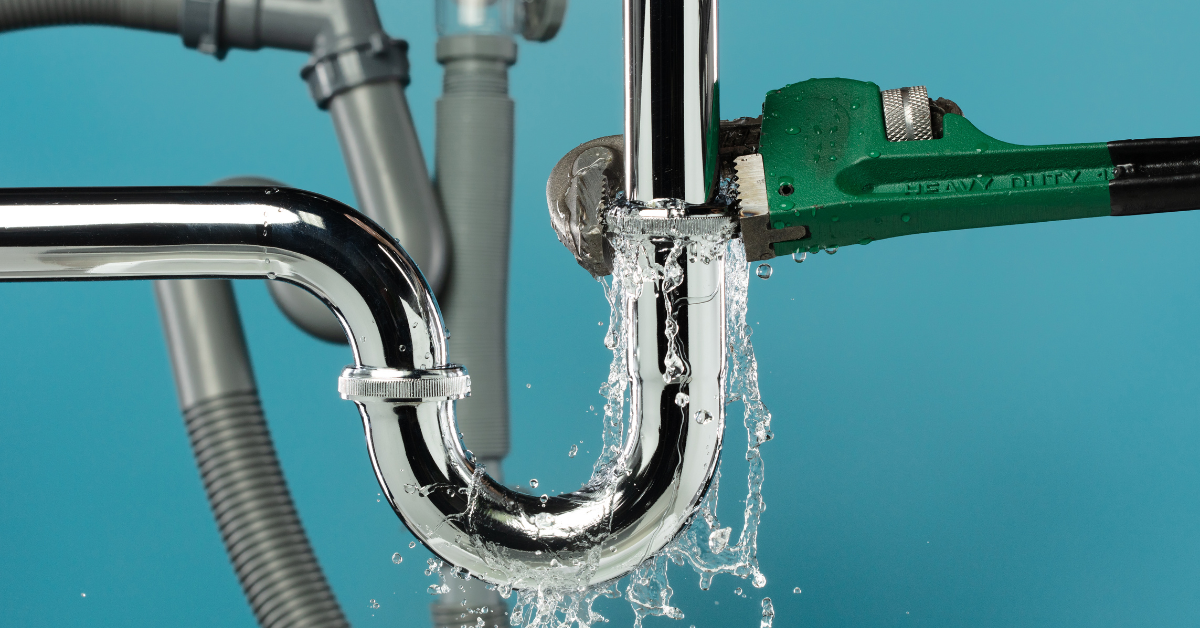
Leaks may start small, but they can quickly turn into bigger problems if ignored. Plumbers are trained to spot the source of the issue and stop it before it causes damage. Their work helps save both water and money while keeping homes safe and comfortable.
Since leaks and clogs are two of the top reasons people call a plumber, it’s no surprise these are considered the most common jobs in the profession.
Unclogging Drains and Toilets
From sinks to toilets, drains can easily get blocked. Plumbers have the right tools and skills to clear these clogs and restore proper flow. It’s one of the most common jobs they handle, but also one of the most important for keeping things running smoothly.
Installing and Repairing Fixtures
Everyday items like showers, sinks, and dishwashers all rely on proper plumbing. Plumbers install these fixtures and make sure they’re working the way they should. When something breaks, they’re also the ones who bring it back to working order, so life at home isn’t disrupted.
Ensuring Safety with Gas Lines
Many plumbers are also trained to handle gas lines, which is a highly sensitive and safety-critical job. They install and maintain gas connections for stoves, heaters, and other appliances, making sure everything is secure and up to standard.
Emergency Repairs
Plumbing problems don’t always wait for the right time to happen. That’s why many plumbers provide round-the-clock services. Whether it’s late at night or during a holiday, they’re often on call to handle urgent repairs and prevent serious damage.
Keeping Things Up to Code
Plumbing isn’t just about fixing problems; it’s also about making sure everything is done correctly and safely. Plumbers follow strict building codes and regulations so that water systems are safe to use and meet health standards. This protects both people and property in the long run.
Essential Skills Every Plumber Should Have
- Problem-Solving Skills: Ability to find the root cause of plumbing issues and fix them effectively.
- Physical Strength and Stamina: Strength to lift tools and equipment, plus endurance to work in tough conditions.
- Technical Knowledge: Understanding of plumbing systems, blueprints, tools, and new technologies.
- Communication Skills: Explaining problems and solutions clearly to customers and team members.
- Attention to Detail: Ensuring all connections, fittings, and installations are accurate and secure.
- Customer Service: Building trust through reliability, professionalism, and a helpful attitude.
- Safety Awareness: Following proper safety practices when working with water, gas, and tools.
- Adaptability: Handling different types of plumbing jobs and unexpected challenges with ease.
Final Takeaway
After exploring what are the main duties of a plumber, it’s clear that their job is much more than tightening pipes or fixing drips. They install new systems, handle emergencies, ensure safety, and give us the comfort of reliable water every single day.
If you ever need skilled professionals who can handle these essential duties, visit PipeProof to find plumbers you can count on.

0 Comments